
The 2026 Iran war is not only affecting oil prices globally but is also causing significant environmental harm to the Middle East and North Africa region. This conflict is both a human tragedy and an environmental catastrophe, with a serious impact on ecosystems and climate patterns.
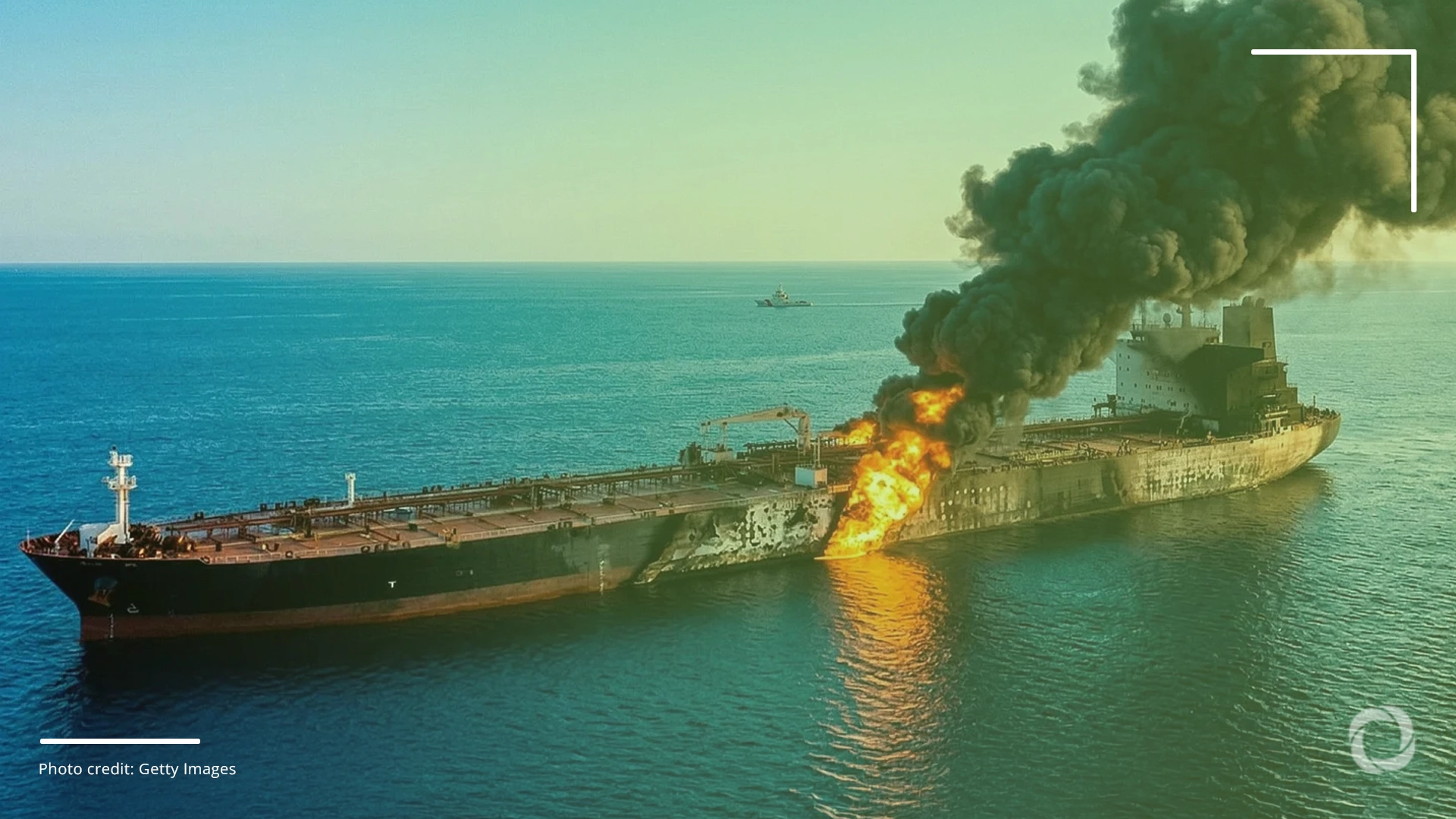
Missile and drone strikes, leaking oil tankers, construction debris, ruined buildings, damaged infrastructure, and disturbed wildlife are fueling the environmental degradation of the Persian Gulf that features vital ecosystems including mangroves, coral reefs, and sea grasses.
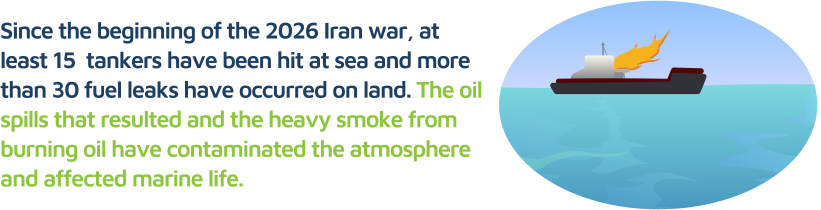
The military munitions used in the ongoing Iran war are increasing emissions, leading to new forms of environmental contamination. An analysis of carbon output by Climate & Community Institute (CCI) in the first two weeks of the war confirmed emissions of over 5 million tonnes of carbon dioxide. This represents over US$1.3 billion in terms of environmental damage, according to CCI.
This DevelopmentAid article offers readers an insight into the types of environmental pollution being caused by the ongoing Iran war.
Environmental importance of the Persian Gulf
The Gulf region has been of significant environmental concern for decades as it is a major global oil transit corridor, with over 20% of the world’s oil and liquefied natural gas passing through the Strait of Hormuz. This oil route is home to a large network of fossil fuel facilities and infrastructures which, if hit, could significantly increase the risk of oil spillage and marine pollution.
At the same time, the region hosts fragile ecosystems such as mangroves, coral populations, and over 700 species of fish, which are vulnerable to oil spills and other types of pollution.
Isolated from the open sea by the slender bottleneck of the Strait of Hormuz, the Persian Gulf has evolved into a unique, self-contained wildlife ecosystem. It is a diverse sanctuary for marine life, hosting some of the planet’s most resilient fauna and flora.
Doug Weir from the Conflict and Environment Observatory explained in an interview for NPR.org that oil spillages endanger the survival, reproduction, and growth of the Gulf’s ecosystems, leading to biodiversity loss.
“There are fragile ecosystems like coral reefs, seagrass beds, and other sensitive species in the shallow and enclosed Persian Gulf. The survival of the ecosystems becomes difficult if they are having to suck in oil”, he added.
The region is of environmental concern due to its semi-closed nature, where mountain peaks rise to almost 4,000 meters, which makes air circulation difficult. During winters, the top layer reaches less than 1.5 km, far below the ridges of the mountains, trapping atmospheric pollutants.
Many countries in the Gulf region depend on desalinated water due to the limited availability of freshwater within its environs and arid climate. These desalination plants produce over 40% of global desalinated water. According to Doug Weir, the Iran war is placing these desalination factories at risk of chemical pollution and oil spillages, causing contamination.
“Attacks on desalination factories around the Persian Gulf risk causing devastating consequences to communities relying on them for survival. The war will fuel stress on natural resources, destroy marine ecosystems and hinder efforts to enhance water and climate resilience and impact food security,” says Doug Weir.
Main forms of environmental harm caused by the 2026 Iran War
The environmental impacts of wars are usually neglected, most of the time being overshadowed by humanitarian crises and human tragedies. However, the significance of these impacts is massive due to the ‘ticking time bomb’ effect they have that could harm future generations for decades.
We have identified several forms of environmental pollution caused by the current crisis in the Strait of Hormuz.
Atmospheric (air) pollution
Air contamination is a result of missile strikes, explosions, and combusting fossil fuels, which release greenhouse gases into the atmosphere. The total emissions produced in the first two weeks of the war amounted to over 5 million tonnes of carbon dioxide (Figure 1). Of this, debris dust and the ruins of destroyed buildings caused approximately 2.4 million tonnes according to the CCI report.
A snapshot of carbon emissions in the first two weeks of the US-Israel-Iran war.
Source: Climate and Community Institute 2026 Research
Marine pollution
Oil spills from struck tankers and the destruction of offshore infrastructures are causing massive releases of crude oil into the Gulf Sea leading to pollution. According to The New York Times, the warring factions in the Iran war have struck over 16 oil tankers, commercial and cargo ships, causing massive oil leaks and wrecks. The oil spills and ship debris are threatening livelihoods and weakening marine ecosystems such as mangroves, coral reefs, and seagrass meadows. The underwater noise pollution from naval operations also exacerbates biological stress for marine animals relying on acoustic communication for reproduction, feeding, and movement.
Biodiversity loss
The Iran war is causing biodiversity loss through oil spills, strikes on energy infrastructure, and attacks on shipping which release toxic substances that destroy habitats like seagrass, mangroves, and nearshore reefs. The attacks on fossil fuel depots in Iran also release soot, smoke, and sulfur compounds that dissolve in a low-pressure atmosphere and fall as toxic black rain around Tehran city.
This highly acidic rain causes long-term biodiversity loss by polluting the soil with hydrocarbons and water bodies with heavy metals. The acidity of the black rain leads to a drop in pH levels in water bodies that then destroys aquatic life. The soot particles and hydrocarbons in the acidic rain cause eye and skin irritation, headaches, and breathing challenges. Inhaling the smoke released by the damaged oil depots also increases the long-term risk of cardiovascular disease, cancer, and cognitive dysfunction.
Ruins and debris of destroyed buildings
The military installations damaged and buildings destroyed during the war are contaminating soil and water with toxic substances. They emit hazardous dust and heavy metals during missile strikes, fueling air pollution. According to the Red Crescent Society of Iran, the first two weeks of the conflict damaged over 20,000 housing units in Iran.
River pollution
The contamination of rivers in the Gulf region is threatening freshwater ecosystems and the human population that depends on them. The pollution emanates from oil spillages from damaged oil depots, debris from destroyed buildings, and chemical runoffs from attacked industrial facilities. The spills are flowing into rivers and coastal waters used for desalination, causing contamination and increasing the cost of water treatment.
Indirect impact on the environment caused by the 2026 Iran war
Armed conflicts such as the Iran war and their impacts are associated with a phase of weak environmental governance, whereby environmental protection agencies are underfunded as the government reallocates funds to military expenditure. For example, in the Iran War 2026, U.S. munitions expenditure surged from over US$11.3 billion to almost US$16.5 billion in just seven days. At the same time, the U.S. Environmental Protection Agency saw its budget cut in 2025/26 from approximately US$9 billion to roughly US$4 billion.
At the same time, the Iran war is impeding the world’s green energy transition and weakening environmental governance initiatives. The closure of the Strait of Hormuz is forcing governments to focus on fossil fuel security rather than investments in clean energy.
Final thoughts
The Strait of Hormuz crisis of 2026 is not only harming the population in the region and destabilizing the global economy, it is also adversely affecting the environment, public health, and climate. The conflict is degrading ecosystems by causing marine and air pollution and biodiversity loss. The war is also disrupting the green energy transition as nations focus on fossil fuel security. Meanwhile, governments are reducing expenditure on sustainable environment initiatives while increasing military expenditure, thereby weakening environmental governance.
